
silver antique wall mirror
Understanding Disc Type Check Valves A Comprehensive Overview Check valves are essential components in many fluid systems, ensuring that flow occurs in one direction while preventing backflow. Among the various designs of check valves, the disc type check valve stands out due to its unique mechanism and advantages in specific applications. This article will explore the features, benefits, applications, and maintenance of disc type check valves. What is a Disc Type Check Valve? A disc type check valve is a type of non-return valve that utilizes a disc as its primary closure element. This disc is typically attached to a hinge or pivot point, allowing it to rotate or lift in response to the fluid flow. When the fluid moves in the intended direction, the disc opens, allowing flow through the valve. Conversely, if the flow attempts to reverse, the disc closes swiftly to prevent backflow, thereby protecting the system from contamination or damage. Key Features 1. Design Variants Disc type check valves come in various designs, including tilting disc and lift disc varieties. The tilting disc design allows for a wider flow area and is usually preferred for larger systems, while lift disc valves are more compact and suitable for applications with lower flow rates. 2. Materials These valves can be made from a range of materials including stainless steel, brass, and plastic, enabling them to withstand different pressures, temperatures, and chemical environments. 3. Pressure Ratings Disc type check valves are available in a range of pressure ratings, making them suitable for both high-pressure and low-pressure applications. Benefits - High Flow Efficiency Due to their streamlined design, disc type check valves offer minimal flow resistance, enhancing the overall efficiency of the system. - Quick Response The lightweight disc mechanism provides rapid closure, minimizing the risk of backflow and ensuring system integrity. - Versatility These valves are adaptable for various applications, including water, oil, gas, and chemical systems, making them a preferred choice in many industries. Applications disc type check valve Disc type check valves are utilized in a diverse array of industries - Water and Wastewater Treatment They help prevent contamination and protect pumps and other equipment from backflow . - Oil and Gas In pipelines transporting hydrocarbons, these valves ensure that the flow remains unidirectional, vital for operational safety. - HVAC Systems They are employed to prevent system damage and maintain efficiency in heating and cooling applications. - Chemical Processing The ability to tailor materials for corrosive environments makes them suitable for various chemical applications. Maintenance and Care To ensure the longevity and proper functionality of disc type check valves, regular maintenance is crucial. This includes - Routine Inspections Checking for signs of wear, tear, or corrosion. - Cleaning Removing any debris or buildup that may hinder the operation of the disc. - Testing Periodically testing the valve under operational conditions to confirm its reliability. Conclusion In summary, disc type check valves are vital components in various fluid systems. Their efficient design, quick operational response, and versatile applications make them irreplaceable in industries ranging from water treatment to chemical processing. Proper maintenance is essential to ensure their durability and functionality, thus safeguarding the systems they are integrated into. Understanding their features and applications can help engineers and technicians select the right valve for their specific needs, contributing to safe and efficient operations.
about
silver antique wall mirror
Understanding the 16% Globe Valve A Critical Component in Fluid Control When it comes to managing the flow of fluids in various industrial applications, valves play a crucial role. Among the many types of valves available, the globe valve stands out for its effectiveness in regulating fluid flow. This article will delve into the specifics of the 16% globe valve, its design features, applications, and advantages that make it a popular choice in numerous industries. What is a Globe Valve? A globe valve is a type of linear motion valve that is used to start, stop, or regulate the flow of liquid or gas. The design of the globe valve consists of a spherical body with a movable disc or plug that acts against a stationary ring seat. This configuration allows for significant control over fluid flow, making it an excellent choice for throttling applications. The 16% Globe Valve Explained The term 16% globe valve typically refers to the flow characteristic of the valve. Specifically, a 16% globe valve is designed to have a flow coefficient (or Cv) that allows for a 16% change in flow rate relative to an adjustment in the valve positioning. This feature is particularly useful in applications where precise flow regulation is necessary. This design aspect enables operators to fine-tune fluid flow according to the needs of the system, enhancing overall operational efficiency. Construction and Design Features The construction of a 16% globe valve includes key components that contribute to its functionality 1. Body The valve body is often made from high-quality materials such as stainless steel, brass, or cast iron, depending on the application requirements. The robust body design supports high pressure and temperature applications. 2. Disc/Plug The disc or plug is usually made from durable materials to withstand wear and tear. Its design is critical for controlling the flow rate and preventing leakage. 3. Seat The seat is the component against which the disc compresses to create a seal. A well-designed seat enhances performance by ensuring minimal leakage when the valve is closed. 4. Bonnet The bonnet provides access to the internal components for maintenance and facilitates the connection to an actuator or manual control mechanism. 16 globe valve 5. Actuation Globe valves can be either manually operated or automated using electric or pneumatic actuators, making them versatile for various applications. Applications of 16% Globe Valves 16% globe valves are commonly found in various industries, including - Oil and Gas They regulate the flow of crude oil, natural gas, and refined products within pipelines. - Water Treatment In water treatment facilities, these valves control the flow of water and additives in the purification process. - Chemical Processing They manage the flow of raw materials and chemicals throughout processing plants. - HVAC Systems Globe valves are used to maintain appropriate flow rates in heating, ventilation, and air conditioning systems. Advantages of Using 16% Globe Valves 1. Flow Control The primary advantage of using a 16% globe valve is its ability to provide precise control over fluid flow. This is essential for processes that require exact flow rates. 2. Durability The robust construction of globe valves ensures longevity, even in harsh operating conditions. This resilience translates to lower maintenance costs and improved reliability. 3. Versatility Globe valves can be used in a wide variety of applications, thanks to their adaptive designs and the ability to handle various fluid types and pressures. 4. Reduced Turbulence The design of globe valves minimizes turbulence, leading to a more stable flow and less wear on piping systems. 5. Ease of Maintenance Most globe valves are designed for straightforward maintenance. Their construction allows easy access to internal components, making it easier to perform repairs or replacements when needed. Conclusion The 16% globe valve is an invaluable component in fluid control systems across multiple industries. Its design allows for precise regulation of flow, durability to withstand tough conditions, and versatility for various applications. By understanding the unique features and benefits of the 16% globe valve, engineers and operators can make informed decisions that enhance the efficiency and reliability of their systems. As industries continue to evolve, the importance of reliable valves like the globe valve will only increase, playing a vital role in the seamless operation of fluid management systems.
-

High quality industrial productsagement

High quality industrial products
View Details -

Meet the diverse needs of customers

Meet the diverse needs of customers
View Details -

Strict quality control

Strict quality control
View Details -

Top raw materials

Top raw materials
View Details -

Trusted supplier

Trusted supplier
View Details
Our application


news and information
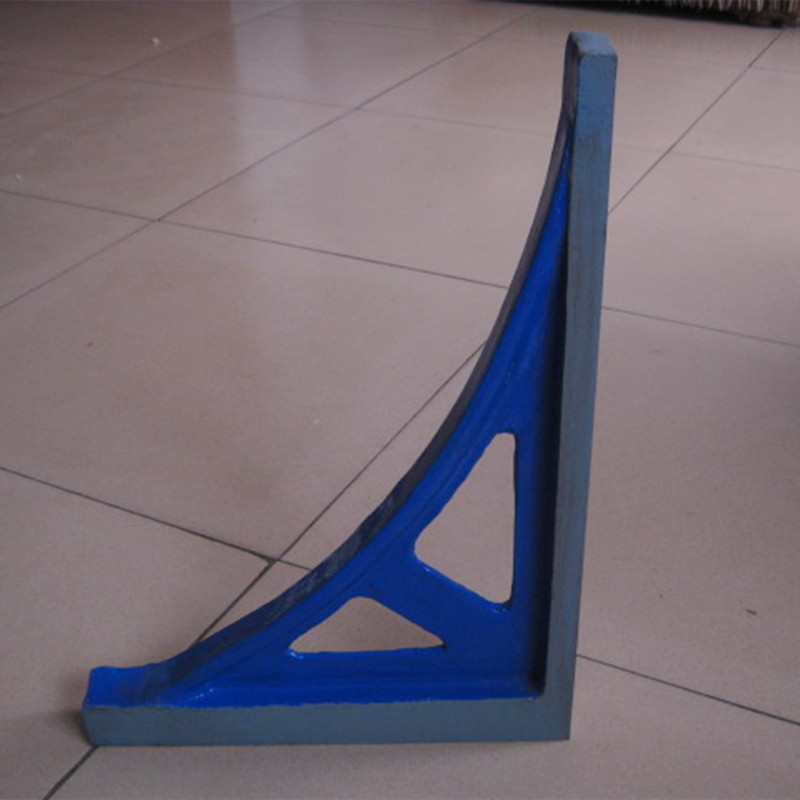
Válvula de compuerta de 500 mm para aplicaciones industriales y sistemas de tuberías
Válvula de compuerta de 500 mm Importancia y Aplicaciones La válvula de compuerta es un dispositivo
water hose shut off valve
Understanding Water Hose Shut Off Valves A Gardener's Best Friend When it comes to gardening and out

Valves in Water Treatment Plants
In water treatment plants, the seamless operation and optimal performance rely heavily on the functi
 English